

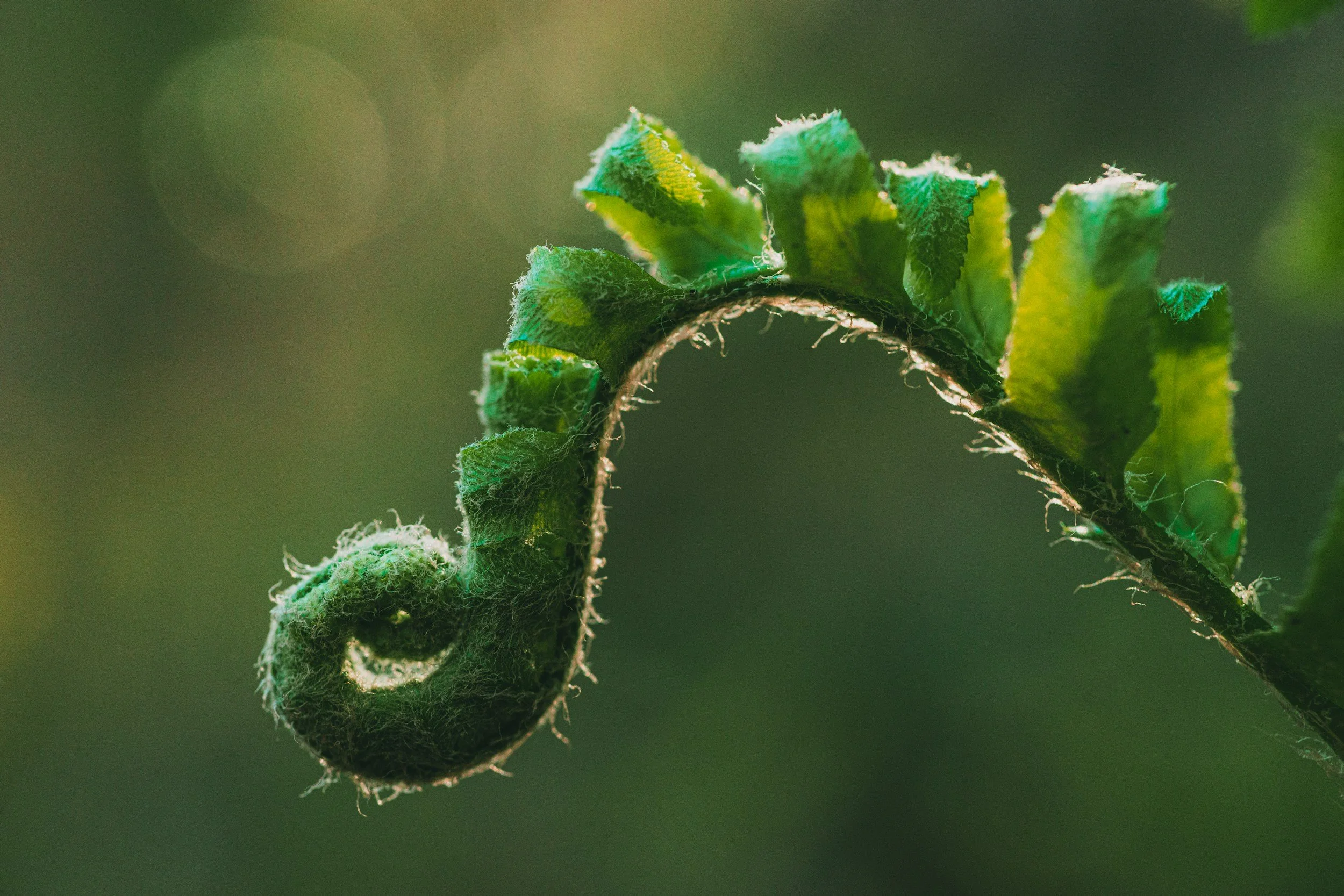
Pleopeltis polypodioides, commonly known as the resurrection fern. This plant is very common in the lowcountry of South Carolina. It’s known to be able to lose 97% of it’s water content in a drought and still rehydrate at the presence of water. It feels like a really solid metaphor for the natural resilience of the human psyche, something we anchor into in trauma therapy.
Trauma therapy services
Trauma is a word for a deeply painful experience that becomes hard to cope with, affecting various dimensions of your daily life.
You might feel that you’re broken. That you’ll never escape the pain. That you are to blame for the things that happened to you. Trauma therapy with Rachael looks like taking a deep dive into the ways you’ve tried to manage this psychological harm; making choices that honor your values even when it’s scary or uncertain; and finding willingness to be present in your life again.
Theories
Rachael uses counseling theories such as Acceptance and Commitment Therapy, Dialectical Behavior Therapy, and Psychodynamic theory. Based on the context, function, and origin of your behaviors, Rachael will help makes sense of the impact of trauma and help you identify what is most needed for healing.
Balance
Trauma therapy can be hard. It can also be awesome and awe-inspiring, but it is hard too. Rachael strongly believes in finding balance between establishing safety for the self AND moving out of our comfort zone (when it matters most). In Buddhism, you’ve heard this referred as the middle path— removing ourselves from clinging onto extremes, and finding flexibility through balance.
Trust
Trauma therapy is a lot about the relationship between the client and therapist. Because this work is relational, trust, safety, and openness in the therapy space is imperative for change. Rachael values open dialogue about the therapeutic relationship so that clients can feel welcome and safe to be fully themselves.